


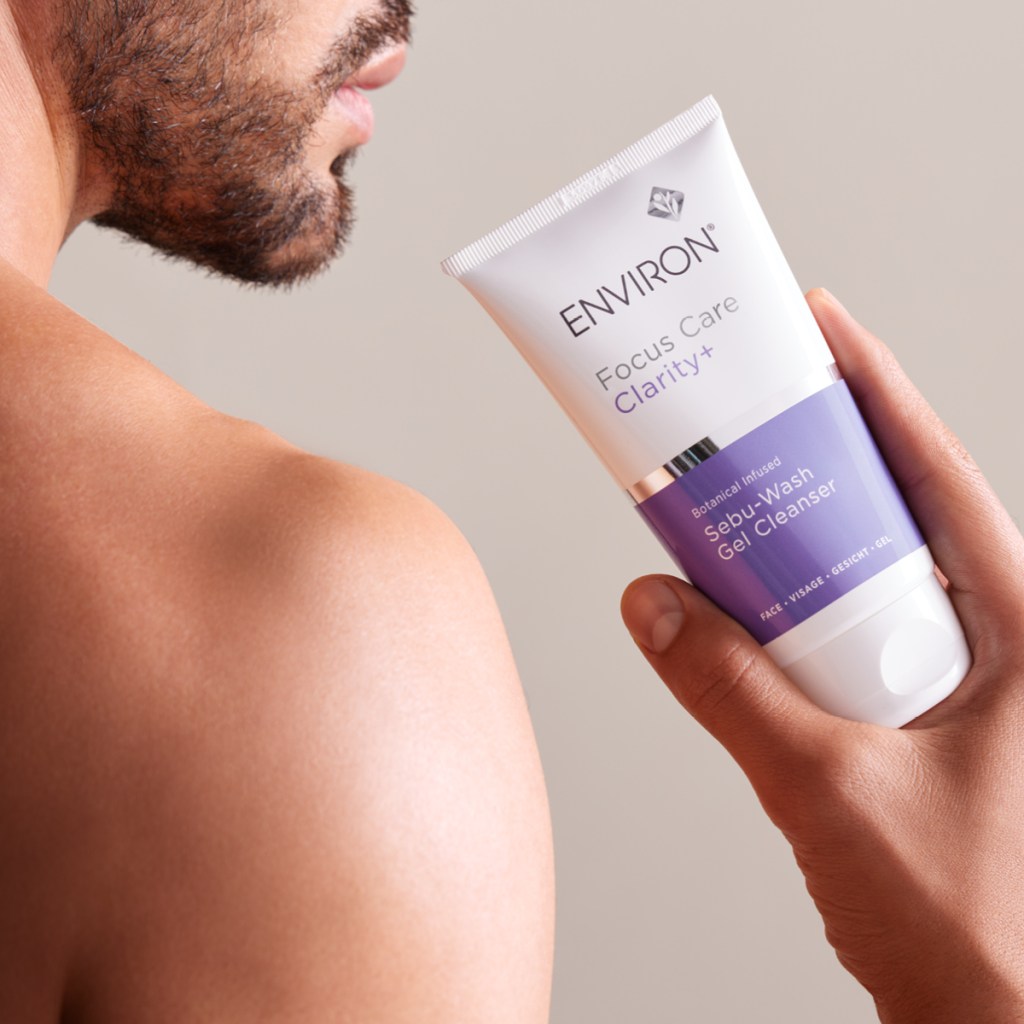
Determining whether a skincare product is truly active or is just marketed well can be challenging and depends on various factors:
Ingredients: Active skincare products typically contain ingredients proven to have specific effects on the skin, such as retinoids for anti-aging, vitamin C for brightening, or salicylic acid for acne treatment. It’s essential to check the ingredients list and speak to your skincare specialist
Concentration: The concentration of active ingredients in a skincare product matters. Effective products usually contain a sufficient concentration of the active ingredient to produce noticeable results. However, some products may include minimal amounts of active ingredients primarily for marketing purposes.
Formulation: The formulation of a skincare product can affect its efficacy. Factors such as pH, stability, and delivery system can impact the absorption and effectiveness of active ingredients. High-quality formulations are more likely to deliver the desired results.
Clinical Evidence: Look for skincare products backed by clinical studies demonstrating their effectiveness. Reliable brands often provide scientific evidence supporting their claims, such as results from independent studies or clinical trials.
Regulatory Approval: In some cases, regulatory agencies like the FDA (U.S. Food and Drug Administration) may require certain skincare products to undergo testing or approval processes to ensure their safety and efficacy. However, many skincare products, especially those sold as cosmetics, may not require formal approval.
In summary, determining whether a skincare product is truly active or primarily marketed as such requires careful evaluation of its ingredients, concentration, formulation, clinical evidence and regulatory status,. It’s advisable to consult with your skincare specialist for personalised recommendations.